

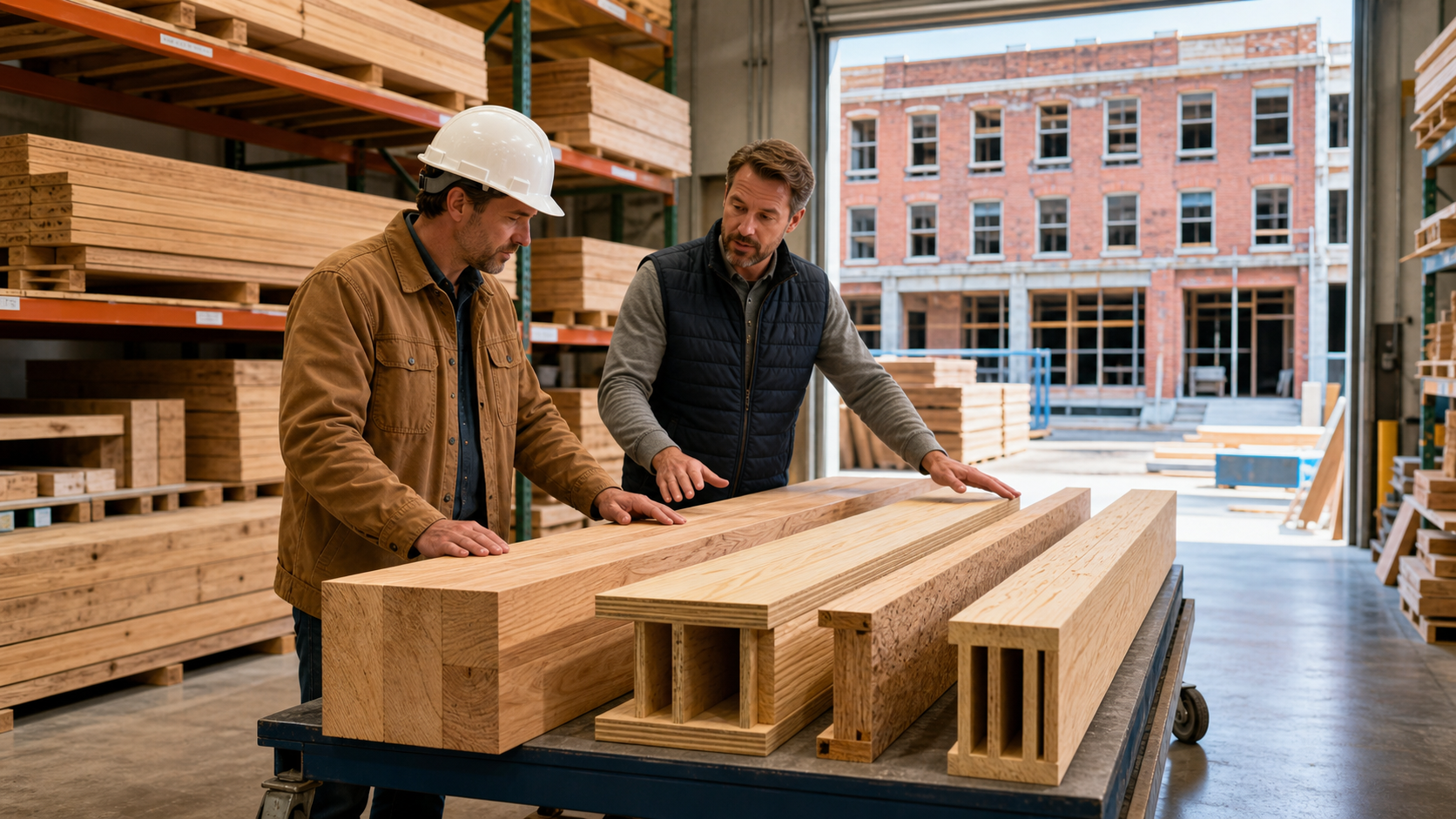
Choose a Construction Lumber Partner Built for Retrofits
Complex retrofit work in live facilities is tough. You are tying into old structures, working around production, and trying to hit a tight shutdown window without surprises. The lumber products that are under your crews and equipment have to be right the first time.
When we talk about “complex retrofits,” we mean projects with tight schedules, mixed construction types, limited access, and strict safety and regulatory rules. You might be working above active lines, over pits, or around temporary shoring. In those settings, the construction lumber supplier you choose can push your project forward or slow it down at the worst possible moment.
The right construction lumber supplier helps you keep the schedule, protect people, and stay within the design intent. The wrong one can leave you scrambling for substitutions, paperwork, and workarounds in the middle of a shutdown. At McCausey Specialty Products, we have seen this from the lumber side across industrial sectors, including automotive, aerospace, and heavy equipment.
In this article, we will walk through a practical way to judge if a supplier is truly ready for complex retrofit work, from structural understanding and material options to safety, logistics, and long-term value.
Assess Structural Expertise and Material Versatility
For complex retrofits, you need more than someone who can pull lumber by size. You need a partner that understands how that lumber actually works in the structure.
Look for clear signs of engineering literacy, such as:
- Comfort talking about load paths, spans, and deflection, not just thickness and width
- Experience supplying scaffold planks, shoring lumber, and temporary platforms for structural work
- Willingness to coordinate with your engineer on plank spacing, supports, and safety factors
Ask if they can support engineering review or at least work alongside your structural engineer for temporary works and access systems. A supplier that understands why you are asking can often help you spot problems before materials hit the site.
Material versatility also matters. In retrofit conditions, existing structures are rarely straight and simple. You may need:
- Solid sawn scaffold planks for certain spans and bearing conditions
- Laminated scaffold planks where you want consistent performance and straighter members
- Specialty lumber for platforms, catwalks, and custom supports in odd spaces
- Prototyping materials if you are testing layouts or fixtures before final construction
You want a construction lumber supplier that can source species and grades suited for high loads, overhead work, and vibration-prone industrial floors. Ask for examples of projects in active manufacturing plants, power facilities, or large distribution centers where headroom and floor loads were limited. Pay close attention to how they talk about field changes when the as-built conditions did not match the drawings.
Prioritize Safety, Compliance, and Scaffold Performance
On retrofit projects, safety and compliance are not optional. Temporary access and platforms must meet standards while fitting into existing structures.
Confirm how your supplier lines up with OSHA, ANSI, and scaffold and access-system requirements for planks and related products. At a minimum, you should expect:
- Proper grade stamps on lumber
- Mill certifications or equivalent paperwork when needed
- Test reports or documented performance for laminated scaffold planks
Ask about their quality assurance process. You want to know how they handle:
- Incoming inspection of planks and lumber
- Moisture control and storage to reduce warping and hidden damage
- Handling practices that avoid impacts, splits, and contamination before delivery
Traceability is important too. Being able to tie planks back to their source can help you show due diligence during safety audits or if there is an incident review.
A strong construction lumber supplier will also let safety guide product selection. That includes matching plank type and layout to conditions like:
- Corrosive areas
- Big temperature swings
- High humidity or seasonal moisture in fall and winter
They should help you avoid both over-specifying and under-specifying. Too heavy a spec can waste space and budget, while too light can introduce risk on platforms, catwalks, and accessways.
Align Lead Times and Logistics with Shutdown Windows
Retrofit work often centers around short shutdowns or outage windows. Your construction lumber supplier must be able to move with that clock.
Start by mapping their capacity to your schedule. Ask direct questions such as:
- Typical lead times for specialty lumber and laminated scaffold planks
- How much notice they need for custom milling or special sizes
- How they handle peak seasons when many plants are doing upgrades
For industrial clients, fall and winter can be busy retrofit times. Getting commitments early helps you avoid production bottlenecks and last-minute substitutions.
Logistics can make or break a shutdown. Look for a supplier that can:
- Stage phased deliveries that match demo, install, and commissioning
- Prevent the site from being overloaded with all materials at once
- Deliver into tight urban sites or busy plant yards
- Work with off-hour or weekend deliveries if needed
No matter how well you plan, field conditions will reveal surprises. Ask how the supplier responds to change orders and adjustments, including:
- Rush orders for added planks or different sizes
- Handling partial returns if counts change
- Options for last-minute substitutions that still meet safety and performance needs
Local or regional inventory can be a big advantage, especially if your schedule slips into colder or wetter weather and you need additional material on short notice.
Look for Industry-Specific Insight and Long-Term Value
Retrofits inside automotive plants, aerospace facilities, and heavy equipment operations each have their own patterns. A supplier that already understands those patterns can save you time and stress.
Sector familiarity can help with things like:
- Working around overhead cranes and runway beams
- Covering pits, trenches, or equipment openings during floor work
- Supporting mezzanine upgrades and platform expansions
- Planning access routes that avoid production bottlenecks
With that context, your construction lumber supplier can suggest smarter layouts, safer access paths, and staging plans that fit your facility, not just a generic site.
When you compare suppliers, look beyond the price per board foot. Think about total cost of ownership. That includes:
- How solid sawn and laminated planks stand up over repeated use
- Inspection and maintenance needs for different products
- Durability in the real conditions of your plant
Reliable material performance reduces downtime, rework, and schedule creep. Over several projects, that often matters more than small price differences.
Finally, consider whether the supplier can be a long-term partner, not just a one-time vendor. Some ways they may support you over time include:
- Helping during preconstruction planning for future retrofits or expansions
- Supplying prototyping materials when you are testing new equipment layouts
- Supporting standardized scaffold and temporary works practices across multiple facilities
McCausey Specialty Products has been supplying prototyping materials, solid sawn and laminated scaffold planks, and specialty lumber across industrial and commercial markets for generations. Based in our region, we have grown alongside many plants and facilities, so we understand how production schedules and retrofit work fit together.
FAQs on Choosing a Construction Lumber Supplier for Retrofits
How to Tell if a Lumber Supplier Can Handle Complex Retrofits
Look for proven work in active industrial or commercial retrofit projects, not just new builds. Ask for examples, check that they speak clearly about structural behavior and safety standards, and confirm they are comfortable working with your design and construction teams under tight shutdown timelines.
What Certifications Should My Lumber and Scaffold Planks Have?
At a basic level, your lumber and scaffold planks should carry appropriate grade stamps and supporting documentation that align with OSHA, ANSI, and scaffold-related standards. For laminated planks, ask for test information and basic quality and traceability details so you can document your safety and compliance steps.
When Should I Contact a Supplier for a Fall or Winter Retrofit?
It is smart to engage a construction lumber supplier several months before a planned fall or winter outage. Early talks help secure production time, confirm specialty lumber options, and align delivery plans with your demolition and installation sequence.
Why Does Industry-Specific Experience Matter in Lumber Selection?
Industry experience helps a supplier understand typical loads, access limits, and environmental conditions in places like automotive or aerospace facilities. That knowledge leads to better recommendations on species, grades, and plank layouts that hold up in your exact environment.
How Can a Supplier Help Control Costs on Complex Retrofits?
A capable supplier can right-size materials to real loads, suggest durable products that reduce replacement and rework, and phase deliveries so material is protected and easy to use. Over several projects, this support can cut downtime, change orders, and waste, lowering your overall cost beyond the initial lumber purchase.
Get Started With Your Project Today
Whether you are planning a new build or solving a complex structural challenge, we are ready to help you choose the right materials. As your trusted construction lumber supplier, we focus on quality, consistency, and timelines that keep your work on track. Reach out to McCausey Specialty Products so we can review your specs, answer your questions, and recommend the best options for your job. Let us know what you are building and we will help you move from plan to delivery with confidence.
